

"Many of the videos focus on the U.S.-Canada trade war"
A network that's likely based outside of Canada is using deepfakes to spread "politically divisive" content to Canadians, says a new report released Thursday.
A report from McGill University’s Centre for Media, Technology and Democracy reveals that the network uses deepfakes featuring real influencers, blending their faces with artificial lip movements and AI-generated voices.
"We don’t know the purpose of the network, but its operators are prepared to steal identities and spread lies that pit Canadians against the United States, their own government, and each other."
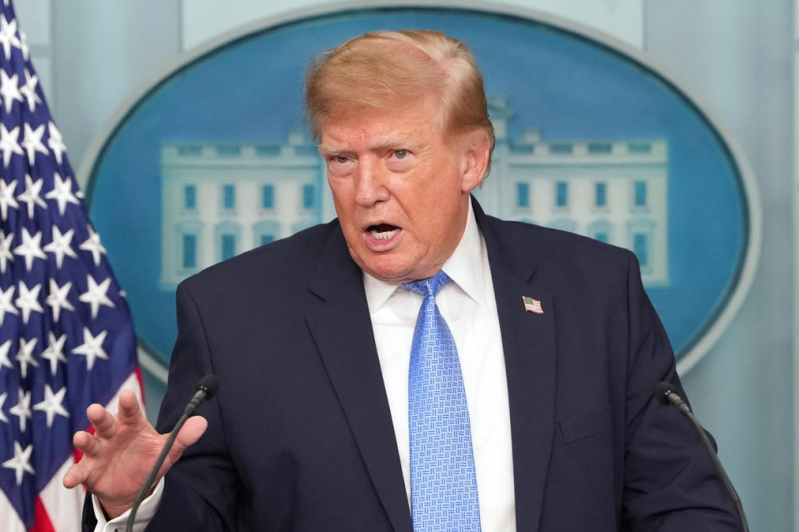
The report suggests that using footage of real people likely prevents videos from being flagged as AI, with TikTok labeling only four percent of such content as AI.
Many of these videos center on the U.S.-Canada trade war, and the most popular ones contain false information.
Among them is a video claiming a fabricated 48-hour ultimatum from U.S. President Donald Trump, falsely stating that Canada retaliated by canceling $8 billion in U.S. defense contracts.
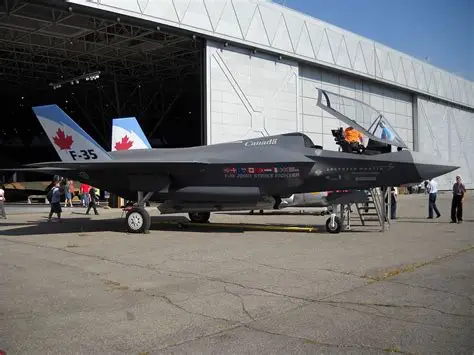
"This never happened, but the story was shared in 161 videos on 129 accounts and played 5.1 million times," the report says.
Commenters on the videos often don’t realize they’re fake, with only 6.3 percent identifying them as inauthentic or propaganda. According to the report, most either agree or argue with the content, and about one in ten addresses the narrator like a real person—offering thanks, praise, or urging them to verify their facts.
The videos also lack a consistent stance on the trade war, with accounts taking both sides. Narrators even switch nationalities, appearing as Canadian in some clips and American in others, resulting in fabricated and misleading claims being shown to Canadians.
The network consists of nearly 300 TikTok and Instagram accounts, posting over 3,201 videos that have been viewed 22.1 million times in the past three months.
According to the report, the operators are “almost certainly” based outside North America, with posting and registration times inconsistent with North American time zones.
Activity slows during nights in East and Southeast Asia, and some accounts have Chinese-language settings or registrations in China, the only clue to a country of origin. The purpose behind the network remains unknown.
The accounts don’t promote any foreign government narratives and aren’t monetized, though they may be building audiences for future use. The report suggests the network could be testing a tool or service, or perhaps being paid to influence Canadians.
-with files from Anja Karadeglija, The Canadian Press
Add comment
Comments